Women's health encompasses far more than reproductive health, yet many women receive inadequate education about the diverse health topics affecting their lives and longevity. While much attention focuses on gynecological health and breast cancer, women face distinct health risks and challenges across multiple body systems that deserve equal attention and understanding. Cardiovascular disease is the leading cause of death in women—killing more women annually than all cancers combined—yet women often underestimate their heart disease risk and don't recognize their unique symptoms like fatigue, shortness of breath, or jaw pain rather than classic chest pain. Autoimmune diseases affect women at three times the rate of men, with conditions like lupus, rheumatoid arthritis, and Hashimoto's thyroiditis disproportionately diagnosed in women, yet often delayed in diagnosis because symptoms are attributed to stress or hormones. Mental health including depression and anxiety affects women at twice the rate of men, with hormonal fluctuations throughout the menstrual cycle, during pregnancy, and through menopause significantly impacting mood and mental health. Bone health becomes critical after menopause when declining estrogen accelerates osteoporosis risk, yet many women don't prioritize bone health until a fracture occurs. Understanding these diverse health topics enables women to advocate for themselves in healthcare settings, recognize concerning symptoms early, and make informed decisions about prevention and treatment.
Menstrual health and hormonal understanding form the foundation of women's health awareness, yet many women lack basic knowledge about their menstrual cycles and hormonal fluctuations. Your menstrual cycle is not just about bleeding; it's a sophisticated hormonal cycle involving estrogen, progesterone, FSH, and LH that influences mood, energy, skin condition, appetite, exercise performance, and metabolism throughout the month. Tracking your cycle reveals patterns in your health and energy, helping you optimize training and nutrition around hormonal phases. Understanding that PMS is real and linked to hormonal changes, not psychological weakness, validates many women's experiences and enables seeking appropriate support. Irregular periods, heavy bleeding, severe cramping, or other menstrual abnormalities warrant investigation; they're not something to simply endure but rather signs that your body needs attention. Birth control options extend far beyond the pill, including long-acting reversible contraception like IUDs and implants that provide excellent efficacy with minimal user error, barrier methods, emergency contraception, and fertility awareness methods. Choosing contraception involves understanding your personal health risks, lifestyle, and preferences—there's no universally "best" option, only the option best for you. Additionally, understanding that hormonal birth control affects nutrient absorption and sometimes mental health helps women make informed choices and monitor their health while using these medications.
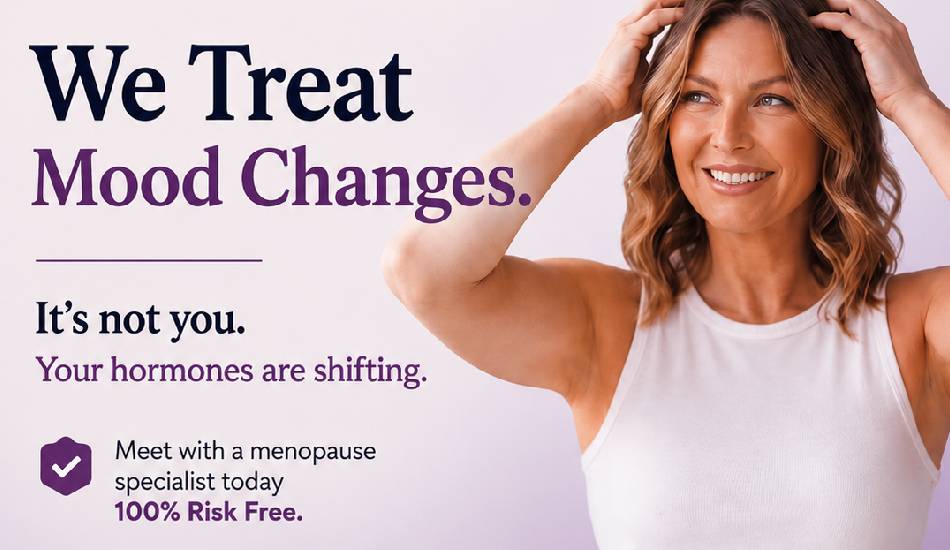
Menopause and perimenopause represent major life transitions affecting decades of women's health, yet preparation and knowledge can minimize symptoms and optimize this transition. Perimenopause—the 5-10 years preceding menopause—brings hormonal fluctuations causing irregular periods, hot flashes, night sweats, mood changes, sleep disruption, and weight gain, often beginning in the 40s. Recognizing perimenopause symptoms as normal rather than psychological helps women understand what's happening and seek appropriate support. Hormone replacement therapy (HRT) remains a safe and effective option for many women experiencing significant symptoms, contrary to outdated beliefs about its dangers; modern evidence shows HRT benefits likely outweigh risks for women in early perimenopause without contraindications. Non-hormonal options including certain antidepressants, gabapentin, and lifestyle modifications support symptom management for those unable or unwilling to use HRT. The menopausal transition is not a disease requiring "treatment" but rather a normal life stage; the goal is optimizing health and quality of life during this transition through appropriate support. Post-menopausal women face increased cardiovascular disease risk, osteoporosis risk, cognitive changes, and ongoing health maintenance needs that deserve attention and preventative care.
Reproductive health extends beyond contraception to include pregnancy, miscarriage, infertility, and postpartum health—topics many women feel unprepared to navigate. Pregnancy brings unique health considerations including screening for gestational diabetes and preeclampsia, nutritional needs including adequate folic acid and iron, vaccination status, and mental health monitoring. Miscarriage is devastatingly common, affecting approximately 20% of pregnancies, yet women often suffer silently due to stigma and lack of validation. Understanding that miscarriage is usually not caused by anything the mother did, that grief is appropriate and normal, and that support exists helps women process this loss. Infertility affects approximately 10% of women of reproductive age, and understanding options including fertility testing, assisted reproductive technologies, and when to seek specialist care empowers women facing this challenge. Postpartum recovery is extensive and often underestimated; the postpartum period involves physical healing from delivery, hormonal changes including postpartum depression affecting 15-20% of women, pelvic floor dysfunction, and breastfeeding challenges—yet women often receive minimal support during this vulnerable time. Recognizing postpartum depression as a medical condition requiring treatment, not a personal failing, and seeking help early prevents suffering and supports maternal-infant bonding.
Sexual and pelvic health represents an often-neglected aspect of women's health despite its importance to quality of life and relationships. Vulvovaginal health includes managing infections like yeast and bacterial vaginosis, addressing vaginal dryness particularly after menopause, and understanding that vaginal symptoms warrant evaluation rather than self-treatment. Sexual dysfunction including difficulty with arousal, pain during intercourse, or inability to achieve orgasm affects many women but remains underdiagnosed because women don't discuss these concerns with healthcare providers. Pelvic floor dysfunction including incontinence, pelvic pain, and difficulty with intercourse is increasingly recognized as treatable through physical therapy and other interventions. Understanding that pelvic floor physical therapy is not just for postpartum women but also benefits those with chronic pelvic pain, endometriosis, or persistent incontinence normalizes seeking this specialized care. Conditions like endometriosis—where uterine tissue grows outside the uterus causing severe pain—and PCOS (polycystic ovary syndrome) affecting hormone levels and fertility are increasingly recognized but often diagnosed late after years of debilitating symptoms. These conditions require specialized management and support, yet many women suffer for years before diagnosis because their symptoms are dismissed as normal menstrual pain.